DOLBY A301 Noise Reduction Stretch Unit 1960S
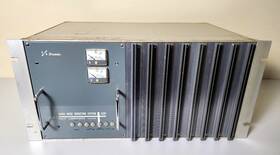
( Brand: Dolby ), ( Manufacturer Part Number: A301 ), ( Type: Multi-effects Processor )
Review DOLBY Rare Original 1960s Type Noise Reduction Stretch Unit
Introducing the Dolby A301 1960s Noise Reduction Stretch Unit, a rare and intriguing piece of audio technology with a rich history. This unit was originally designed and manufactured by Dolby Laboratories in the 1960s, a time when the film industry was making the transition from mono to stereo sound. The A301 was a crucial component in the process of improving the overall audio quality of films during this period.
The Dolby A301 is a noise reduction stretch unit, which means it was specifically engineered to reduce unwanted background noise and expand the dynamic range of audio recordings. It achieved this through a process called "variable compression," which adjusts the compression ratio based on the loudness of the audio signal. This allows quieter sounds to be heard more clearly while maintaining the integrity of the louder sounds.
The unit's design is as impressive as its functionality. The Dolby A301 features a sleek, compact chassis with a silver finish and a series of knobs and switches that allow for precise adjustments to various parameters. These controls include:
1. Level control: This knob sets the overall gain level of the input signal.
2. Noise reduction control: This knob adjusts the amount of noise reduction applied to the signal.
3. Stretch control: This knob determines the degree of audio expansion, allowing for more dynamic range.
4. High-frequency boost: This switch adds a boost to the high-frequency range to compensate for the noise reduction process.
5. Bypass switch: This switch disengages the noise reduction process for comparison purposes.
The Dolby A301 also comes equipped with a pair of XLR inputs and outputs, allowing for easy integration into any audio system. Its sturdy construction, combined with its unique and iconic design, makes it a valuable addition to any audio enthusiast's collection.
In summary, the Dolby A301 1960s Noise Reduction Stretch Unit is an essential piece of audio technology history. Its ability to reduce noise and expand the dynamic range of audio recordings revolutionized the film industry and continues to capture the interest of audiophiles today. With its distinctive design and precise control features, this unit is more than just a piece of equipment; it's a testament to the passion and innovation that drove the early days of audio engineering.
Pros and Cons of Buying a Dolby A301 1960s Noise Reduction Stretch Unit
The Dolby A301 1960s noise reduction stretch unit is a vintage piece of audio equipment used for improving the quality of magnetic tapes. This article aims to provide you with an unbiased analysis of the potential advantages and disadvantages of purchasing one.
Pros:1. Authentic restoration: The Dolby A301 is a genuine piece of audio history. It offers a unique, hands-on experience for those who appreciate vintage technology and the sound quality it provides.
2. Improved audio quality: This device is capable of reducing noise and stretching the tape, resulting in better overall sound quality for the listener.
3. Nostalgic value: For collectors and audiophiles, owning a Dolby A301 can add significant value to their collection, both in terms of the equipment itself and the historical context it represents.
Cons:1. High cost: Vintage equipment, especially in good condition, can be quite expensive to purchase. The Dolby A301 is no exception.
2. Limited compatibility: This unit is designed specifically for magnetic tapes, and its compatibility may be limited to certain formats or generations.
3. Complex setup: Operating the Dolby A301 requires a certain level of expertise and understanding of audio restoration processes.
4. Maintenance and repair: As with any vintage equipment, regular maintenance and potential repairs can be costly and time-consuming.
Conclusion:The Dolby A301 1960s noise reduction stretch unit offers a unique and authentic way to improve the quality of vintage magnetic tapes. Its potential advantages include improved audio quality, nostalgic value, and the satisfaction of owning a piece of audio history. However, its high cost, limited compatibility, complex setup, and potential maintenance needs are important considerations to weigh against these benefits. Ultimately, the decision to purchase a Dolby A301 depends on individual preferences, budget, and the specific requirements of one's audio restoration needs.
Recommendation:If you are an audiophile, collector, or professional in the audio industry with a significant budget, a Dolby A301 1960s noise reduction stretch unit could be an excellent addition to your collection or workflow. However, for those with more modest budgets or less specialized needs, there may be more cost-effective and user-friendly alternatives available in modern audio restoration equipment. Carefully consider your requirements and constraints before making a decision.
Details:
This gave a sort of high-end sheen. Power Cord NOT Included. This is an original A301 2-channel unit built in London during the late 1960s with a complete discrete signal path. We brought the output of vocal back to another fade and summed compressed signal with Dolby about 60/40 a track.
From a Mix Magazine Interview: Cain still remembers one of the effects that was employed on Perry's vocal, trick he learned from producer Keith Olsen: We had an old 2-track Dolby processor, which we pulled cards seven and three out. We printed it that way. These units are famously used for the Dolby A Trick otherwise known as Stretch Mods which have earned a reputation achieving an air effect of lead vocals Like Journeys don't Stop Believing Engineers during 1970s and 1980301 vocal compressor/expanded, bass guitar compressor, etc. Risky stuff but it became Steve Perry's sound.
The unit will need to be restored and recapped by a qualified technician.
part #: a301 prices
- $100.00-$116.09
specifications signalprocessorgo:
- brand: Dolby
- mpn: A301
- type: Multi-effects Processor
seller signalprocessorgo:
- rating: 100.0%
- # reviews: 1166
- city: Raleigh, North Carolina
offer signalprocessorgo:
- options: Ship-to-home
- started: June 15, 2025
- sold: 0
- availability: In Stock
- quantity: 1
payments signalprocessorgo:
- other
- wallet: Google-pay
- credit card: Visa
general signalprocessorgo:
- Musical Instruments Gear > Pro Audio Equipment > Signal Processors/Rack Effects
- condition: Used
returns signalprocessorgo:
- policy: No Returns
shipping signalprocessorgo:
- class: Standard
- cost: $49.95
- type: Fixed
- transit: 5-9 Days
- service: Standard
Dolby A301 Is Similar To:
- Reduction System 1unit Left Professional Noise Unit 100a Advent Dolby (27.1% similar) I have 5 units for sale...(January 26th, 2015)
- Series Control Dolby Power Supply 430ps Suppressor Noise Unit 430 Background (31.9% similar) Dolby 430 series power supply control UNIT430PS 6 channel with cables and manual this offer is for a Dolby 430 series background noise suppressor power supply and control unit model 430PS it includes an ac power cable, copy of the manual, and a ribbon cable for connecting up to 3 Dolby 430 ...(December 7th, 2014)
- Module Suppressor Manual 413 430su2 430 Dolby Series 2x Cat Noise (27.1% similar) I do guarantee item to be as described. Dolby 430 series background noise suppressor 430SU2 2 channel suppressor module 2x cat no. Within the continental us...(December 5th, 2014)
- Cat430 Box Fader Cat-430 Dolby 2x Dual Cat-413 Psu Rare (21% similar) Only 2x cat 413'S, 1x pus and 1x fade box are included in this price. I always hold one back pending buyer satisfaction and there are no more. Dis regard any reference to any pictures that might indicate cables included. OK, this really is the last one with the 'impossible to find' dual fade control...(February 2nd, 2015)
- Cat-no-22 Dolby Single Cat Noise Reduction Card Module (49.2% similar) You're buying on a single Dolby cat no. This item is offered as a working unit, but does show signs of wear. Shipping: shipping in the us. 22 a-type noise reduction module...(September 5th, 2018)
- Cat331 Dolby Noise Reduction Card (45.5% similar) See photos for more details noise reduction card only, as pictured. Offer is for Dolby cat. 331 noise reduction card multiple cards available. No accessories included. Grab it while lasts. In excellent condition. Have not tested. Came in a rack mounted unit with multiple cards. Price listed is fro ...(April 18th, 2018)
- Modules Cat350 Dolby Frame Sr-type Recording 363 Reduction Noise Spectral (41.1% similar) It comes with a very detailed user manual that covers installation normal use level standardization principles of noise reduction includes full electrical schematics. I purchased this unit for 745 in 1999 to be used in my mastering studio along side my Art 102 and it has been in my smoke free air ...(March 8th, 2015)
- Noise 67 Pink Card Extender 35mm Cp-55 Generator Dolby 65 Cat 85c (13.4% similar) Great for the 35MM film collector. Great for tuning processors for great sound...(December 17th, 2014)
- Vintage Lafayette Dolby Dnr-50 Reducer Noise (30.4% similar) The Lafayette Dr 50 is a noise reduction unit employing the patented Dolby b type noise reduction system for encode and decode functions. 5 channel separation 50DBDIMENSIONS 9 x x inches weight we experience illness, emergencies, and other life events that could someday interfere with a schedule. ...(November 6th, 2014)
- 23463 Dolby Model 363 2-ch Sr A-type Processor Noise Reduction Unit For Repair (49.3% similar) Incorrect voltage , self repair, exposure to extreme temperatures, moisture damage, or incorrect application, etc. Serial accessories includes a power cable. Return items must be insured for at least the value of the item. This item comes only as seen in photos, does not include any other ...(July 23rd, 2016)
- Ex-eu4 Dolby Surround Rackmount Audio Studio Encoder Decoder Unit (36.1% similar) Do not discard the packaging. Minimum handling charge is 75 onto a standard pallet and increases for custom pallet's. If you do receive the package, submit clear images of the packaging box and damaged item from multiple angles. Are only included if pictured or listed in. USPS or ups ground. ...(February 23rd, 2016)