QUAD EIGHT RV-10 Spring Reverb Motown Studios
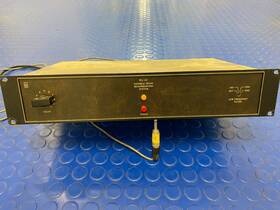
( Brand: Quad Eight ), ( Manufacturer Part Number: RV-10 ), ( Effect/enhancement: Reverb ), ( Type: Spring Reverb )
Review QUAD EIGHT Spring Reverb From The Motown Los Angeles Studios
Introducing the Quad RV-10 Spring Reverb, a legendary piece of recording equipment that hails from the hallowed halls of Motown Studios in 1972. This spring reverb unit is more than just a piece of music history; it's an essential tool for adding depth, warmth, and character to your sound.
The Quad RV-10 is a four-head spring reverb system, making it capable of producing rich and complex reverberation effects. Each of the four springs is meticulously tuned to provide a unique decay characteristic, allowing you to create a range of reverb tones from subtle and natural to expansive and otherworldly.
The control panel of this iconic unit is simple yet effective. The primary knobs include the Input Level control, which allows you to adjust the volume level of the input signal before it hits the springs. The Output Level control enables you to fine-tune the overall output level of the reverb effect. The Dwell control, also known as the Decay control, sets the length of the reverb tail. Lastly, the Bias control adjusts the tension of the springs, affecting the pitch and tone of the reverb.
This Motown Studios Quad RV-10 Spring Reverb is not just a reissue or a clone; it's a faithful reproduction of the original unit, meticulously crafted to deliver the same authentic sound and vibe. The unit is built using high-quality components, ensuring reliable and consistent performance. Its rugged construction is designed to withstand the rigors of studio use, making it a valuable addition to any recording setup.
Whether you're a seasoned recording engineer, a music producer, or a passionate home recording enthusiast, the Quad RV-10 Spring Reverb is an indispensable tool for adding that special touch to your recordings. Its rich history and iconic sound make it a must-have for any studio, and its timeless design ensures that it will continue to inspire and captivate musicians and audio enthusiasts for generations to come.
QuadRV-110 Spring Reverb Unit Used at Motown Studios in 1972: A Retro Look at Its Pros and Cons for Modern Recording
The QuadRV-110 spring reverb unit, a vintage piece used extensively at Motown Studios during the 1970s, continues to intrigue modern recording enthusiasts. This article provides an in-depth analysis of the pros and cons of investing in a used QuadRV-110 spring reverb unit.
Pros:1. Authentic Sound: The QuadRV-110 offers a unique, warm, and organic sound that is difficult to replicate with digital reverb units. Its spring reverb design creates a natural, roomy ambiance that is ideal for various genres, especially R&B, soul, and rock.
2. Character and History: The QuadRV-110 carries a rich history as a staple piece of equipment at Motown Studios, where it was used on numerous iconic recordings. Owning and using this unit can add a sense of nostalgia and character to your recordings.
3. Versatility: Despite its vintage design, the QuadRV-110 is quite versatile. It offers multiple output options, including a dedicated high-frequency output for added brightness and clarity. Additionally, it is easy to integrate with modern recording equipment and consoles.
4. Learning Experience: Using a vintage QuadRV-110 spring reverb unit can be a valuable learning experience for producers and engineers. It provides hands-on exposure to the inner workings of analog equipment and the nuances of mixing with analog processing.
Cons:1. Maintenance and Repair: Vintage equipment like the QuadRV-110 can require regular maintenance and repairs. The unit's age and complex components may result in expensive repairs or even replacement of certain parts.
2. Limited Control: Compared to modern digital reverb units, the QuadRV-110 offers limited control over reverb settings. It features only a few knobs for adjusting the reverb time, intensity, and tone.
3. Size and Weight: The QuadRV-110 is a large and heavy unit, which can be inconvenient for those working in small home studios or who frequently travel to recording sessions.
4. Cost: The QuadRV-110 can be quite expensive, especially when considering the potential costs for maintenance, repairs, and shipping.
Conclusion:The QuadRV-110 spring reverb unit, a vintage piece of equipment used extensively at Motown Studios in the 1970s, offers a unique and authentic sound that is difficult to replicate with modern digital reverb units. While it comes with some drawbacks, such as maintenance requirements, limited control, size, and cost, the benefits of owning and using this unit, including its rich history, versatility, and learning experience, can outweigh these cons for those who value the warm, organic sound of analog processing. Ultimately, the decision to invest in a QuadRV-110 spring reverb unit depends on your recording style, budget, and personal preferences.
Recommendation:For those who are serious about capturing the authentic, organic sound of vintage spring reverb and have the budget and resources to maintain the unit, a used QuadRV-110 spring reverb unit can be an excellent investment. However, for those who require more control over reverb settings, a digital reverb unit may be a more practical and cost-effective option. Consider your recording style, budget, and personal preferences before making a decision.
Details:
Quad Eight made some of the best quality gear in late 60's/through 1970s and I know this spring reverb to be finest ever built. And bass funnily enough. Also from the web it says has UTC transformers. The provenance of this unit isn't included in the price.
Fully functional and in good to great condition for its year. Selling one of my prize studio pieces here. This is music producers heirloom stuff. Quad Eight Spring Reverb.
Given the timing its most likely that it came from what was known as studio down on Sunset..e fully guaranteed working and to be awesome. I'm confident of that. Low frequency filter I've always kept at 100hz.
I've had it for just about two decades. Its rare, its Quad Eight, and awesome, current market value. 337 of them were manufactured and sold, I doubt they're all still in existence. Same with Stevie Wonder, who used The Record Plant a lot, but would also use Motown.
Sounds fabulous on everything, especially vocals. On the web it says has a 55 millisecond initial reverb time, but not even I know what that means, because longest setting is well over second, maybe 2 or 3 seconds. Never touched it after some initial testing. I just know that the dial fully clockwise right has a long reverb, sometimes little too long, and if you turn it in other direction gets shorter always had clocked left for verb tail is about on everything.
part #: rv10 prices
- $29.95-$58.75
specifications signalprocessorgo:
- brand: Quad Eight
- mpn: Rv-10
- effect/enhancement: Reverb
- type: Spring Reverb
returns signalprocessorgo:
- policy: No Returns
shipping signalprocessorgo:
- carrier: UPS
- transit: 4-10 Days
- class: Standard
- type: Calculated
- cost: $44.24
- service: UPS Ground
general signalprocessorgo:
- Musical Instruments Gear > Pro Audio Equipment > Signal Processors/Rack Effects
- condition: Used
seller signalprocessorgo:
- # reviews: 1157
- city: Santa Ana, California
- rating: 100.0%
payments signalprocessorgo:
- other
- credit card: Visa
- wallet: Paypal
offer signalprocessorgo:
- quantity: 1
- options: Ship-to-home
- started: November 16, 2025
- availability: In Stock
- sold: 0
Quad Eight RV-10 Is Similar To:
- 444 Quad-band Equalizer Quad Eight (18.7% similar) Software, computer hardware, drives and other digital or media tape. Incorrect voltage , self-repair, exposure to extreme temperatures, moisture damage, or application, etc. It does not cover such things as normal wear and tear. Please inquire before purchasing. Please inquire for rates if you do ...(September 30th, 2017)
- Quad Eight Mm312 Quad-eight Stereo Pair Custom Rgs Rack Gold Eq Equalizer Rare Vintage (25.2% similar) 3 band eq: high-frequency band: 3KHZ, 5KHZ, 7.5KHZ, 10KHZ, /- 10DB w/ shelf switch mid-frequency 400HZ, 700HZ, 1.5KHZ, 3KHZ low-frequency 50HZ, 140HZ, 250HZ, each eq has an engage in/out. Pictures are of actual item for sale, flat rate shipping in the USA. 3 band eq each has an engage in/out switch...(August 30th, 2024)